

Clicking, clenching, headaches, facial tension, and bite changes are often connected. At BEST, Dr. Chris Chui looks at the full system behind TMJ dysfunction so you can understand what is happening and what it will take to create lasting stability.

Your temporomandibular joints are influenced by how your teeth fit together, how your muscles are functioning, how you breathe, how you sleep, and how your nervous system responds to stress. When one part of that system is under strain, the effects can ripple outward.
Muscles tighten. The joints become overloaded. Sleep quality declines. Inflammation builds. Symptoms become more persistent. This is why lasting improvement often requires more than simply treating the joint itself. At BEST, we look at the relationships between the jaw, bite, airway, and nervous system to understand what is driving the problem.

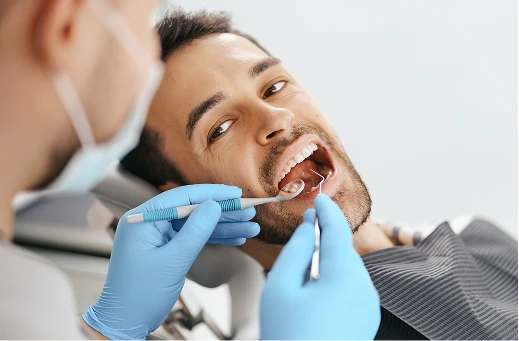
A detailed assessment of the joints, muscles, bite, and related systems to uncover the root causes of your symptoms.
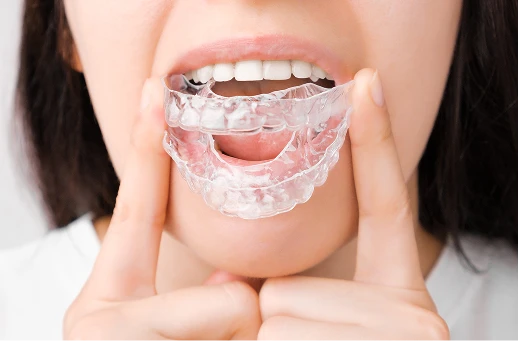
Custom-designed appliances that help stabilize the bite, reduce strain on the joints, and create a more comfortable foundation.

Targeted therapies used to calm inflammation, reduce discomfort, and support healing.
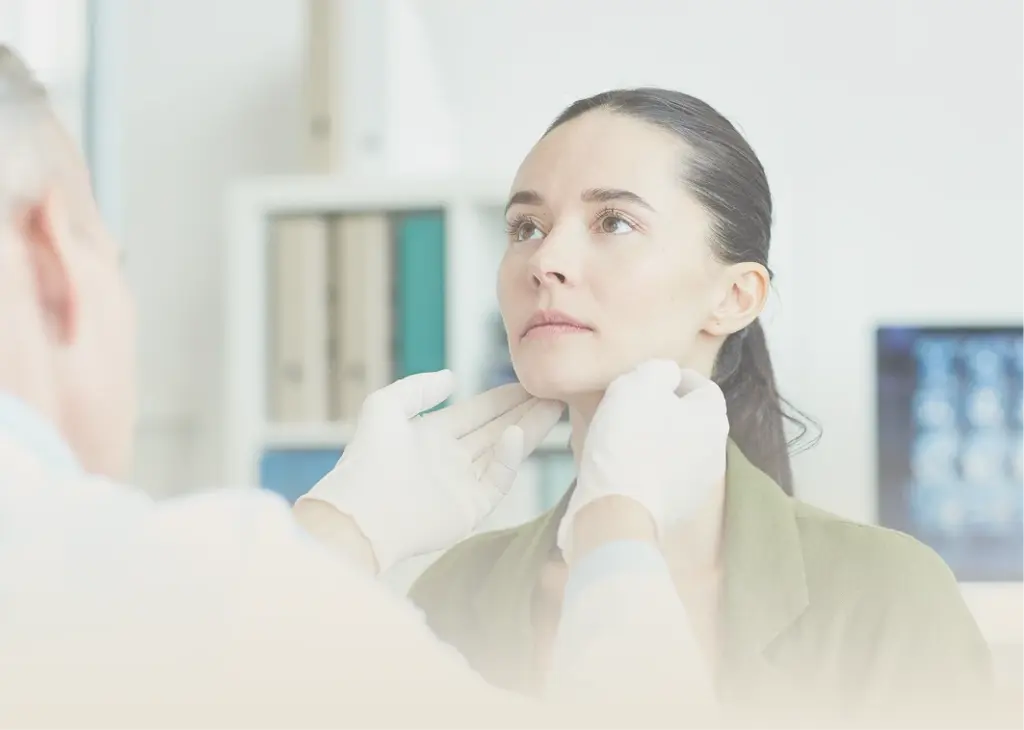
TMJ treatment is often the first step in the CHUI Method. By reducing muscle tension, improving joint position, and stabilizing the bite, we create a stronger foundation for everything that follows.
Once the system becomes more predictable, other treatments such as airway therapy, orthodontics, restorative dentistry, and esthetic care can be planned more confidently. Stabilize first. Then integrate.
TMJ dysfunction can cause a wide range of symptoms, many of which do not seem obviously connected to the jaw. A comprehensive evaluation can help determine whether your joints, muscles, and bite are contributing factors.
No. A TMJ orthotic is designed using detailed diagnostics to help support a more stable jaw position. It serves a different purpose than a generic appliance meant only to protect the teeth.
Yes. The jaw, airway, muscles, and nervous system are closely connected. Dysfunction in one area can influence how you sleep, how your muscles compensate, and how your body feels overall.
Most patients begin with conservative, non-surgical therapies aimed at reducing symptoms and improving function.
Message Received
Your message has been sent to our team. We typically respond within one business day — we look forward to helping you take the next step toward lasting relief and stability.
Return to Homepage