Jaw Pain Is Often a Sign That Something

Jaw Pain Is Often a Sign That Something Bigger Is Happening

Bigger Is Happening

Clicking, clenching, headaches, facial tension, and bite changes are often connected. At BEST, Dr. Chris Chui looks at the full system behind TMJ dysfunction so you can understand what is happening and what it will take to create lasting stability.

What Starts In The Jaw Can Ripple Through The Entire Body

TMJ dysfunction can affect far more than the joint itself.
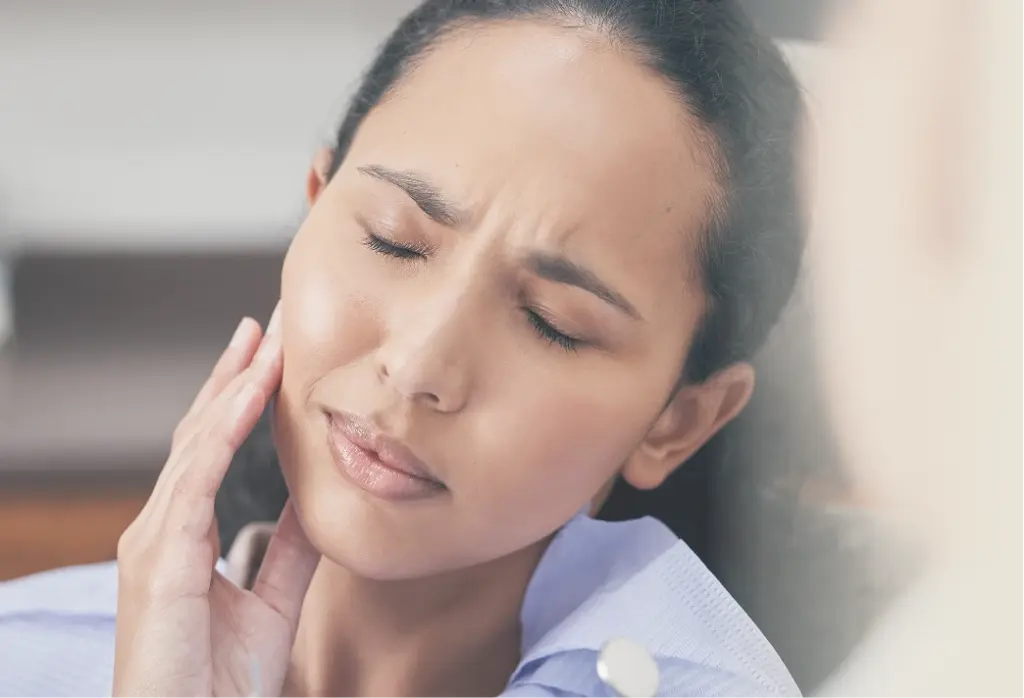
Some people notice popping or clicking when they chew. Others wake up with headaches, facial soreness, or tight muscles in the neck and shoulders. Some feel like their bite has changed or that they can never fully relax their jaw. Over time, these symptoms can wear you down. You may have tried a night guard, pain medication, physical therapy, or other treatments that helped temporarily, but the underlying problem never felt fully resolved. That is often because the jaw is only one part of a larger pattern.
Common Symptoms Include
  • Jaw pain or tenderness
  • Clicking, popping, or locking
  • Clenching and grinding
  • Headaches or migraines
  • Facial pain or pressure
  • Ear pain, ringing, or fullness
  • Neck and shoulder tension
  • Limited opening or difficulty chewing
  • Bite changes
  • Dizziness or a sense of imbalance
The Jaw Connects to Much More Than Most People Realize

Your temporomandibular joints are influenced by how your teeth fit together, how your muscles are functioning, how you breathe, how you sleep, and how your nervous system responds to stress. When one part of that system is under strain, the effects can ripple outward.

Muscles tighten. The joints become overloaded. Sleep quality declines. Inflammation builds. Symptoms become more persistent. This is why lasting improvement often requires more than simply treating the joint itself. At BEST, we look at the relationships between the jaw, bite, airway, and nervous system to understand what is driving the problem.

Comprehensive Care for TMJ Pain and Dysfunction

TMJ and neuromuscular dentistry focuses on restoring comfort, function, and stability.
Depending on what
your evaluation reveals,
your treatment plan
may include:
Advanced Diagnostics And Imaging
Trigger Point Injections
Neuromuscular Relax And Reset
Therapy (TENS)
Custom TMJ Orthotics And
Splint Therapy
Bite Analysis And Occlusal
Evaluation
MLS Laser And
Photobiomodulation
PRF Regenerative Therapy
Coordination With Physical Therapy, Upper
Cervical Care, Sleep Medicine, ENT, Or
Myofunctional Therapy

Depending on what
your evaluation reveals,
your treatment plan
may include:

  • Advanced Diagnostics And Imaging
  • Trigger Point Injections
  • Neuromuscular Relax And Reset Therapy (TENS)
  • Custom TMJ Orthotics And Splint Therapy
  • Bite Analysis And Occlusal Evaluation
  • MLS Laser And Photobiomodulation
  • PRF Regenerative Therapy
  • Coordination With Physical Therapy, Upper Cervical Care, Sleep Medicine, ENT, Or Myofunctional Therapy
Each recommendation is made in the context of the bigger picture, not as an isolated treatment.

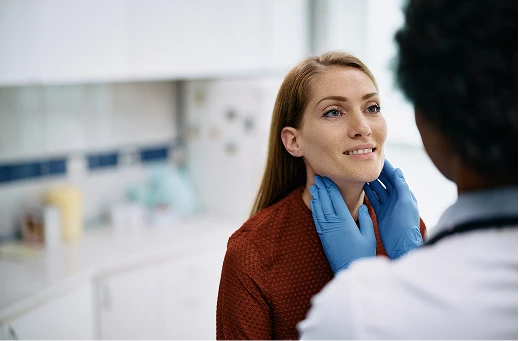
Comprehensive TMJ Evaluation

A detailed assessment of the joints, muscles, bite, and related systems to uncover the root causes of your symptoms.
TMJ Orthotics / Splint Therapy

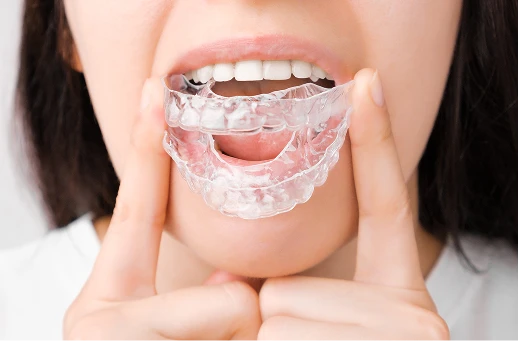
Custom-designed appliances that help stabilize the bite, reduce strain on the joints, and create a more comfortable foundation.
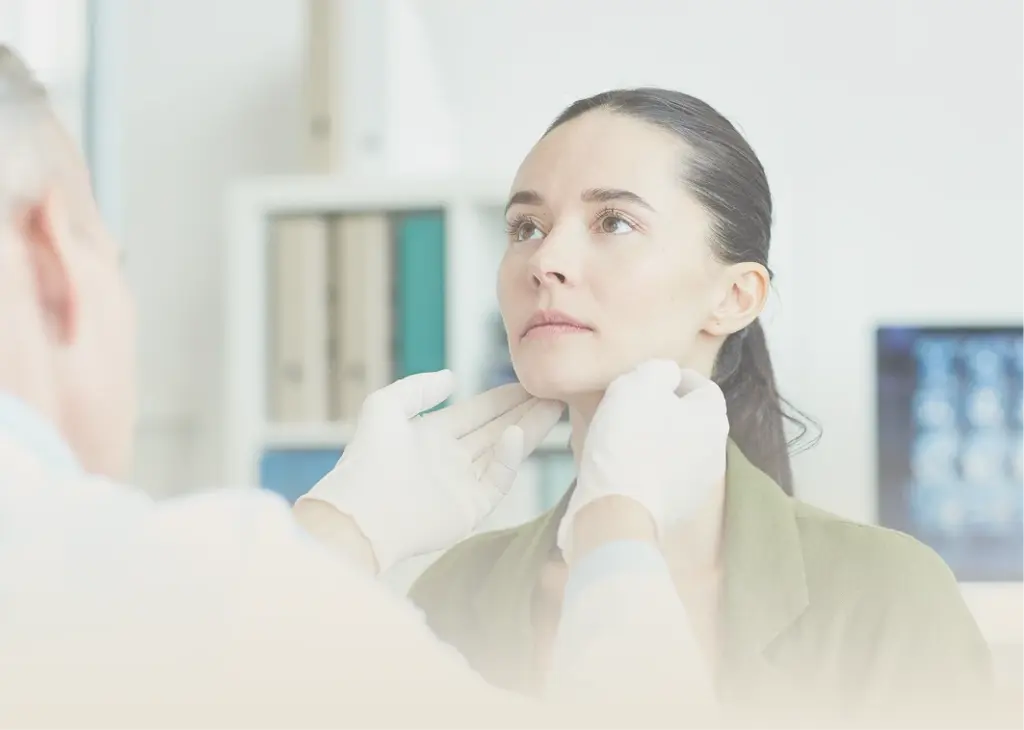
TMJ Pain Relief & Regenerative Therapies

Targeted therapies used to calm inflammation, reduce discomfort, and support healing.
Featured Services

Stability Often Starts Here

TMJ treatment is often the first step in the CHUI Method. By reducing muscle tension, improving joint position, and stabilizing the bite, we create a stronger foundation for everything that follows.

Once the system becomes more predictable, other treatments such as airway therapy, orthodontics, restorative dentistry, and esthetic care can be planned more confidently. Stabilize first. Then integrate.

Frequently Asked Questions

TMJ dysfunction can cause a wide range of symptoms, many of which do not seem obviously connected to the jaw. A comprehensive evaluation can help determine whether your joints, muscles, and bite are contributing factors.

No. A TMJ orthotic is designed using detailed diagnostics to help support a more stable jaw position. It serves a different purpose than a generic appliance meant only to protect the teeth.

Yes. The jaw, airway, muscles, and nervous system are closely connected. Dysfunction in one area can influence how you sleep, how your muscles compensate, and how your body feels overall.

Most patients begin with conservative, non-surgical therapies aimed at reducing symptoms and improving function.

If You Have Been Living With Jaw Pain, There Is Usually a Reason

A comprehensive TMJ evaluation can help uncover what is driving your symptoms and what steps may help you move forward with confidence.

Message Received

Thank You for Reaching Out

Your message has been sent to our team. We typically respond within one business day — we look forward to helping you take the next step toward lasting relief and stability.

Return to Homepage