TMJ treatment cost is one of the hardest things to pin down with a straight answer, and for good reason: it can range from a couple hundred dollars for a simple appliance to tens of thousands for joint surgery. The good news is that the vast majority of patients never need anything close to the high end of that range. Here’s a realistic breakdown of what drives the cost of TMJ treatment, from conservative first-line care through surgical options, and how to think about the investment.
This article is for general education and isn’t a substitute for a personalized cost estimate from our office.
Why TMJ Treatment Cost Varies So Much
According to the National Institute of Dental and Craniofacial Research (part of the NIH), conservative, reversible treatments are generally recommended as the first approach for most TMJ disorders, since aggressive or irreversible treatments carry more risk without strong evidence of better outcomes. This conservative-first philosophy is exactly why cost varies so dramatically: most patients start, and often finish, treatment at the lower end of the spectrum, while only a small percentage progress to more invasive — and more expensive — options.
Conservative TMJ Treatment: The Starting Point for Most Patients
For the majority of patients, treatment begins with non-surgical approaches:
Diagnostic evaluation. A comprehensive TMJ evaluation, often including imaging and a detailed bite and joint assessment, is the necessary first step before any treatment plan is built. This up-front cost is what allows a provider to recommend the right treatment rather than guessing.
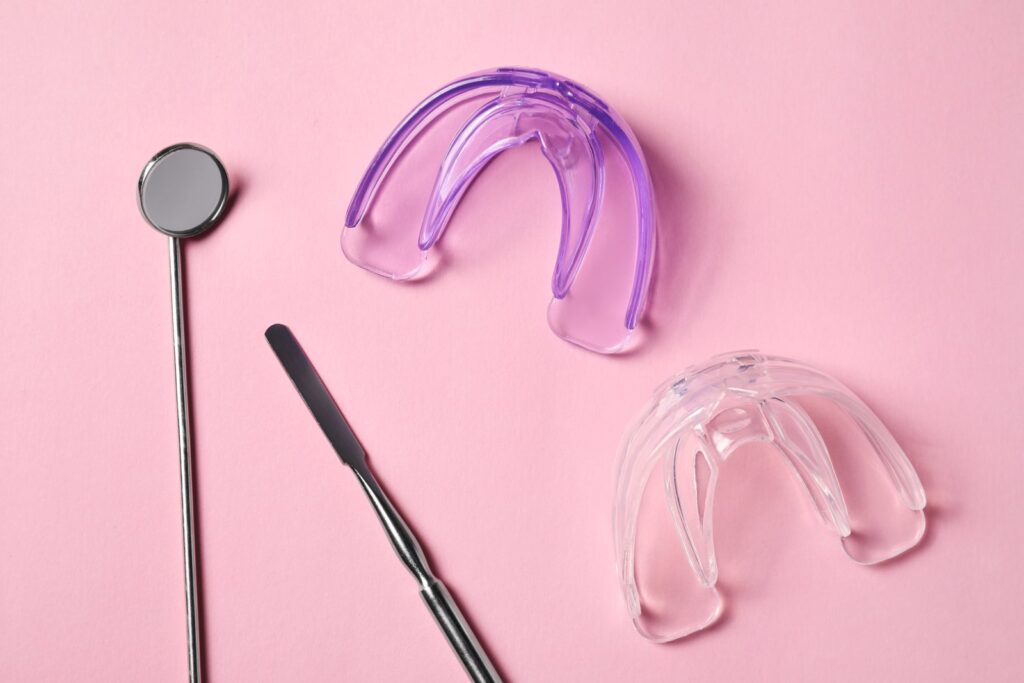
Custom oral appliances (splints/orthotics). A precisely fitted splint or orthotic, designed to stabilize the bite and reduce joint strain, is one of the most common first-line treatments. Costs vary significantly based on the complexity of the appliance — a straightforward night guard sits on the lower end, while a detailed neuromuscular orthotic involving multiple fittings and ongoing adjustment sits higher, since it reflects a more involved diagnostic and fabrication process.
Physical therapy and exercises. Targeted jaw exercises and manual therapy can improve mobility and reduce muscle tension, often billed per session.
Regenerative and minimally invasive therapies. For patients who need more than a splint but want to avoid surgery, options like targeted injections or other regenerative approaches sit in a middle tier of cost and invasiveness, aimed at reducing inflammation and improving joint function without surgical intervention.
We walk through this full range of conservative options, including the reasoning behind them, on our TMJ Pain Relief & Regenerative Therapies page, and our TMJ Orthotics/Splint Therapy page covers appliance-based treatment specifically.
TMJ Surgery Cost: When It Becomes Part of the Conversation
Surgery is reserved for a minority of cases — typically when conservative treatment hasn’t resolved symptoms after a meaningful trial period, or when imaging reveals significant structural joint damage. TMJ surgery cost climbs sharply with invasiveness:
Arthrocentesis (a minimally invasive procedure that flushes the joint to reduce inflammation) is the least invasive surgical option and the least expensive, though it still typically requires facility and anesthesia fees on top of the procedure itself.
Arthroscopy (using a small camera and instruments through tiny incisions to address the disc without fully opening the joint) sits in the middle of the surgical cost range, reflecting a more involved outpatient procedure with a longer recovery than arthrocentesis.
Open joint surgery or total joint replacement is the most extensive and expensive option, reserved for severe degeneration or structural damage that can’t be addressed less invasively. This tier reflects a genuinely major surgical undertaking, with facility fees, anesthesia, surgeon fees, and a significantly longer recovery all factoring into the total cost.
It’s worth emphasizing: most patients evaluated for TMJ disorders never reach this tier. Even among patients whose conservative treatment doesn’t fully resolve symptoms, escalating to a less invasive option (like arthrocentesis) before considering open surgery is standard practice, not a sales tactic — it reflects genuine clinical evidence favoring the least invasive effective option.
Does Insurance Cover TMJ Treatment?
TMJ treatment sits in a genuine gray area between dental and medical coverage, and it’s worth checking both. Dental insurance sometimes covers appliances like night guards or splints, though coverage limits and annual maximums vary widely by plan. Medical insurance is more likely to cover arthrocentesis, arthroscopy, or joint surgery when the condition is well-documented as a diagnosed disorder rather than a cosmetic or elective concern. Because classification and documentation matter so much here, verifying your specific benefits before treatment is a worthwhile step.
Why the Diagnostic Process Matters for Cost, Not Just Treatment
One of the most cost-effective things a patient can do is start with a genuinely comprehensive evaluation rather than jumping straight to a specific appliance or procedure. Treating a symptom like clicking or ear pain in isolation — without understanding the full picture of how your jaw, bite, and muscles are functioning together — can lead to paying for treatment that doesn’t address the actual underlying issue. If you’re dealing with symptoms like jaw clicking or ear discomfort, our related guides on why jaw clicking happens and why TMJ causes ear pain explain why a coordinated evaluation, not a single symptom, should guide the treatment plan.
Getting an Accurate Estimate for Your Case
Because TMJ treatment cost depends so heavily on the severity of your specific case and which tier of treatment is actually appropriate, the only reliable way to get a real number is a proper evaluation. Learn more about what that process looks like on our Comprehensive TMJ Evaluation page, and review payment and financing options on our Fees & Financing page.
Start With a Consultation, Not a Guess
The best way to understand what your treatment will actually cost is a consultation built around your specific symptoms and joint findings — not a generic price list. Request a consultation with Dr. Chui’s team to get a clear, personalized picture of your treatment options and their cost.
References
- National Institute of Dental and Craniofacial Research (NIDCR), National Institutes of Health. TMD (Temporomandibular Disorders). https://www.nidcr.nih.gov/health-info/tmj
- Temporomandibular Joint Disorders: Functional and Conservative Treatment. PMC, National Library of Medicine. https://www.ncbi.nlm.nih.gov/pmc/articles/PMC10381711/